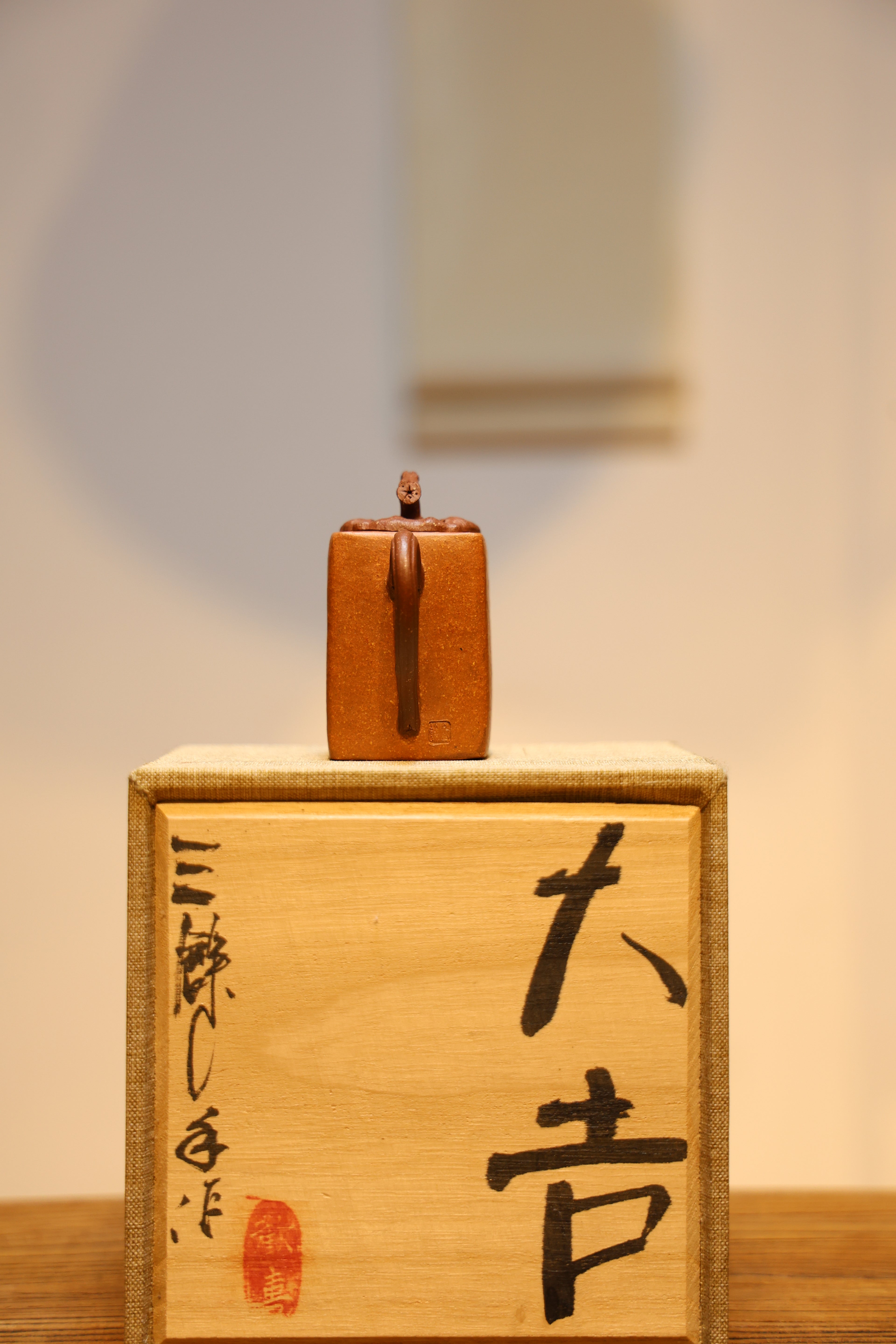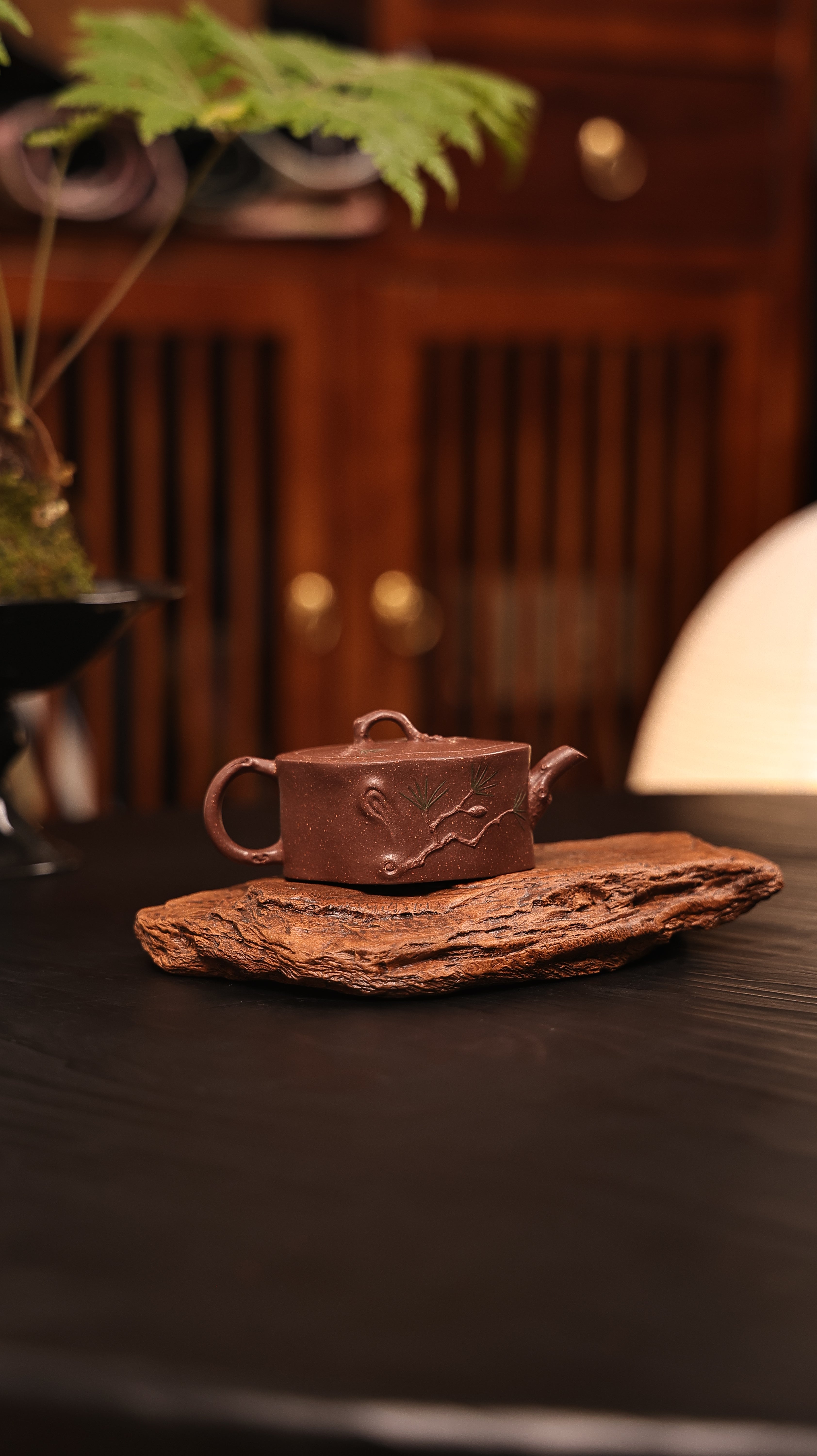
Starting a inclusive review regarding Issing Tzu-sha brewing containers features special intriguing combination between technique in conjunction with functionality.
Ihsing Tz'u Sha earthenware pots retain exclusive unmatched allure within aficionados on a global scale. These extraordinary ceramic vessels, coming from the special Yi-hsing territory inside Jiangsu administration, China, constitute more than just steeping vessels; they are acknowledged as works decorative beauty and legacy significance. Distinct finely classified clay, known designated as Zisha, imparts a gentle flavor to the tea, and the stylized designs, often illustrating traditional Chinese symbols, enhance their intrinsic value. Possessing a genuine Yixing Zisha teapot provides a rewarding journey, asking for careful scrutiny and an cognizance of the multiple factors influencing their rarity.
Discovering Yixing Pottery
Ising ceramic containers boast a fascinating record deeply interwoven with Chinese traditions. Originating in Yixing, Jiangsu region, these pitchers are crafted from a unique, porous purple terracotta found only in that particular location. Their growth began during the Ming epoch, with master artisans refining the systems over decades. Different types appear, including the classic Hexiang (resembling crab shells), Zhuni (red-brown hue), and Duan Ni (stone-studded) – each with distinctive appearances. The cost of an Yixing ceramic vessel isn't solely based on its size or ornamentation, but also on the designer’s reputation, the mineral's quality, and the vessel's age and condition. Curators Yixing Teapot often seek out older examples, believing they accumulate the flavor of the drink brewed within them over time, further adding to their prestige.- Original Pots
- Coppery Pots
- Stony Pots
Zisha Teapot Mastery: Expertise & Processes
Unique assembly of Zisha teapots represents a peak of Chinese ceramic skill. Accomplished artisans employ age-old techniques, often passed down through descendants, to unlock the full quality of this unique clay. Methods involve meticulous fashioning by hand, often combined with the twisting method, followed by precise glazing at incredibly potent temperatures in wood-fired kilns. Embellishing is equally crucial; creators utilize authentic clay colors and may incorporate sculpting work to depict intricate scenes or patterns, demonstrating a profound insight of the material’s capabilities and capability. The outcome teapot isn't merely a vessel for tea, but a testament to a valuable cultural legacy.
Ancient Pottery: A Synopsis to Issing 紫砂
Investigating the world of Traditional teapots generally starts with Yixing Zisha. These exceptional clay ceramics are formed from a specific type of clay mined only in the Yixing region of the Jiangsu locale province. Famous for its unique reddish-purple hue and exquisite attributes, Zisha clay injects a delicate flavor to the infusion and matures with age, shaping into a cherished valued item. Collecting Yixing Zisha vessels is more than just having a attractive object; it’s a appreciation of culture and expertise.
Examining unique Stoneware: Authenticity & Value
Venturing into the realm of Yixing Zisha artifacts can be incredibly fulfilling, but calls for a sharp perception. Truthfulness is vital; countless copies manifest, generally ingeniously produced. Becoming knowledgeable about ancestral cooking practices, exclusive soil traits, and the hallmarks of renowned artisans is wholly imperative. What’s more, knowing the fine points of the growth movement – influenced by factors such as archaic value and the shape of the artifact – is essential to successful gathering.
- Exploring clay history.
- Approaching advisors for certification.
- Assessing dealings changes.
One Craft of Formulating with a Earthen Vessel
Distinctive rare allure of a Zisha setup lies not just in its beautiful appearance, but also in its illustrious impact on the aroma of the beverage. These vintage clay earthen vessels, sourced from particular regions of China, possess a fundamental porosity that softly interacts with the water and leaves, imbuing the libation with a refined character. Mastering the craft requires a careful approach, understanding how the clay responds to variegated warmth and floral types, ultimately leading to a really rewarding sampling event.
Maintaining Personal Jewel
Proper preservation of your Yixing vessel is crucial to extending its viability. These prized teapots, crafted from rare Yixing clay, gain a appearance over years that raises their value. Often rinse the interior with fresh water, avoiding abrasive liquids, and never use coarse scrubbing tools. Supplementary gentle polishing with a smooth cloth can assist in taking off patches. Allow your vessel to totally dry before each serving
Explaining Ceramic: Why Such Vessels Signify Unique
The prominent appeal of Yixing teapots lies within the specialized properties of Stoneware clay, mined solely near Yixing, Jiangsu. This distinct clay, consisting of ferruginous soil , boasts a peculiar combination of elements that, through experience, retain the flavor of the brews it retains. This causes a distinctive flavor profile for each vessel, rendering it a price far surpassing its baseline-level price and leading to their respected status among aficionados.
Spotting the Best Ancient Kettle: A Zisha Manual
Venturing into the world of Zisha clay teapots can feel complex, but understanding the principles is essential to identifying a esteemed piece. This model of clay, sourced largely from the Yixing region, the Jiangsu area, is well-regarded for its uncommon permeability and ability to boost the bouquet of the elixir over duration. Ponder the contour, the tint, and the visual appeal; a real Zisha teapot is more than just a receptacle; it's a artistic piece and a reflection of ancient culture. Examine the character of the artisan for clues to its heritage and potential merit.