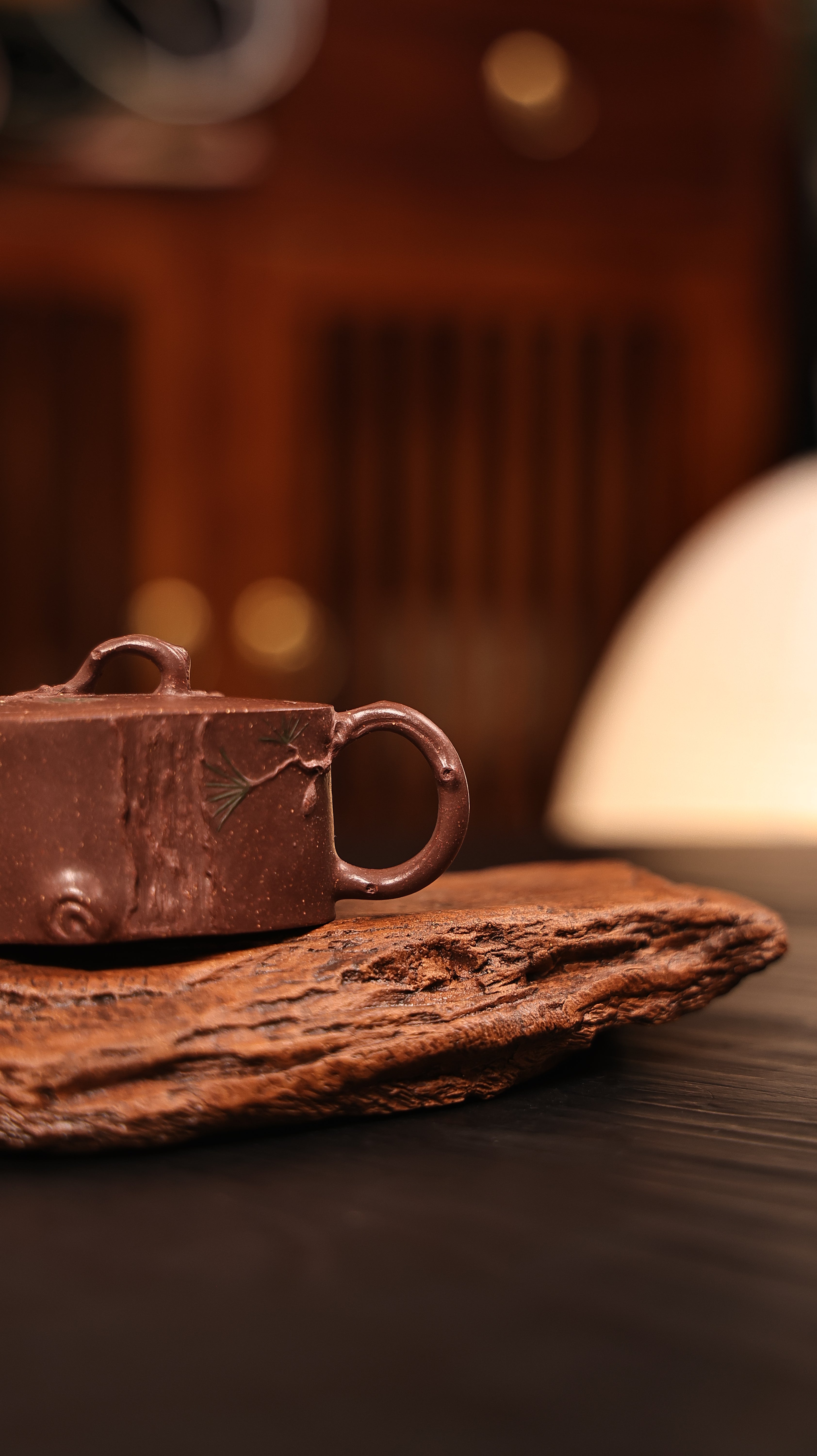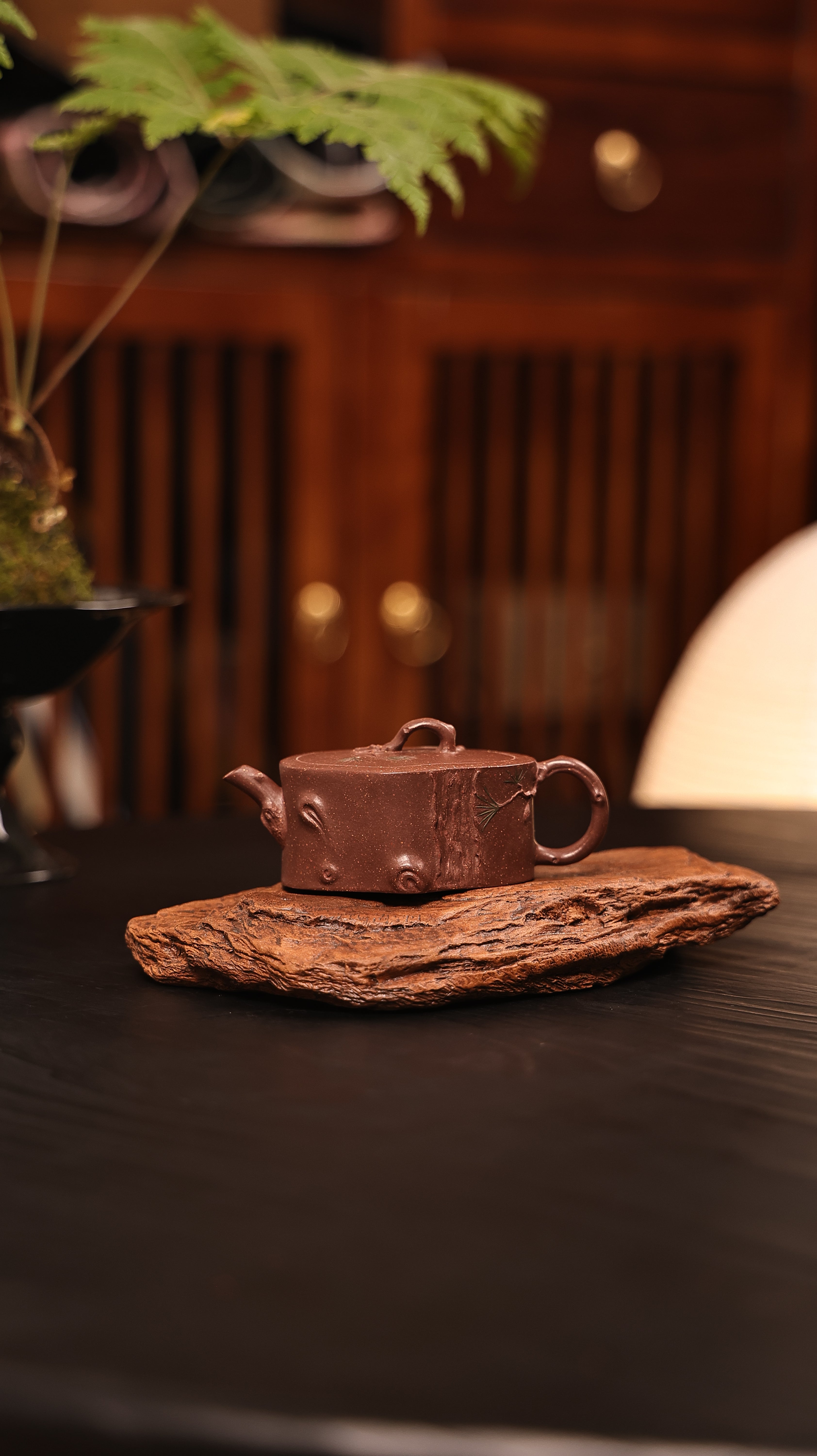
Embarking the exhaustive exploration regarding Ising Tzu Sha porcelain pots brings special enchanting union featuring know-how and functionality.
Yixing Tzu-sha clay vessels harbor special peerless fascination towards aficionados across the globe. Certain notable ceramic vessels, derived from the specific Yixing location inside Jiangsu territory, China, represent more than just teaware; they are considered works decorative beauty and ancestral significance. That finely refined clay, known as Zisha, imparts a soft flavor through the tea, and the detailed designs, often embodying traditional Chinese artistry, add to their natural value. Owning a genuine Yixing Zisha teapot is a rewarding journey, asking for careful investigation and an appreciation of the various factors influencing its limited availability.
Understanding Yixing Brewing Vessels
Ising vessels boast a rich chronicle deeply interwoven with Chinese artistry. Originating in Yixing, Jiangsu zone, these jugs are crafted from a unique, porous purple material found only in that singular location. Their origins began during the Ming dynasty, with master craftsmen refining the processes over periods. Numerous types occur, Yixing Teapot including the classic Hexiang (resembling crab shells), Zhuni (red-brown hue), and Duan Ni (stone-studded) – each with distinctive characteristics. The esteem of an Yixing vessel isn't solely based on its size or accessories, but also on the creator’s reputation, the earth's quality, and the pot’s age and condition. Buyers often seek out older examples, believing they imbibe the nuance of the elixir brewed within them over time, further adding to their desirability.- Heritage Vessels
- Mahogany Pots
- Granite-Dusted Pots
Zisha Teapot Mastery: Handiwork & Methods
An creation of Zisha teapots represents a apex of Chinese ceramic craftsmanship. Skilled artisans employ historic techniques, often passed down through heritage, to unlock the full character of this unique clay. Systems involve meticulous shaping by hand, often combined with the stacking method, followed by precise tempering at incredibly intense temperatures in wood-fired kilns. Ornamenting is equally crucial; designers utilize inherent clay colors and may incorporate engraving work to depict intricate scenes or patterns, demonstrating a profound familiarity of the material’s properties and voice. The outcome teapot isn't merely a vessel for tea, but a testament to a valuable cultural legacy.
Ancient Earthenware: Distinct Overview to Eysing Tzu-sa
Studying the world of the teapots sometimes commences with Yixing Zisha. These uncommon clay pottery vessels are made from a unique type of clay extracted only in the Yixing region of the Jiangsu zone province. Known for its characteristic reddish-purple hue and fine traits, Zisha clay conveys a refined flavor to the brew and improves with age, growing into a cherished artifact. Curating Yixing Zisha earthenware is more than just acquiring a elegant object; it’s a celebration of tradition and artistry.
Exploring such Clayware: Realness & Growth
Entering the market of Yixing Zisha artifacts can be incredibly fulfilling, but necessitates a precise understanding. Genuine Nature is critical; many imitations manifest, generally artfully assembled. Familiarizing oneself about ancient roasting procedures, exclusive soil features, and the signatures of reputable manufacturers is fully essential. Additionally, grasping the subtleties of the expansion development – influenced by reasons such as artistic importance and the status of the product – is crucial to profitable assembling.
- Exploring clay history.
- Contacting professionals for verification.
- Appraising trading trends.
Unique Technique of Making with a Zisha Container
Such exclusive allure of a Zisha tool lies not just in its lovely appearance, but also in its profound impact on the bouquet of the infusion. These antique clay earthen vessels, sourced from specific regions of China, possess a native porosity that gradually interacts with the drink and leaves, imbuing the beverage with a elegant character. Mastering the practice requires a patient approach, understanding how the earth responds to varying heating regimes and herbal types, ultimately leading to a sincerely rewarding sipping adventure.
Safeguarding Exclusive Gem
Proper treatment of your Yixing vessel is crucial to extending its viability. These special teapots, crafted from uncommon Yixing clay, develop a texture over time that boosts their prestige. Periodically rinse the inner area with clean water, avoiding soapsuds, and never use powerful scrubbing tools. Some gentle buffing with a soft cloth can support in eradicating marks. Allow your kettle to absolutely dry after each occasion
Explaining Yixing: Reasons Particular Teapots Stand for Rare
The prominent appeal of Yixing teapots lies within the characteristic properties of Ceramic clay, found solely near Yixing, eastern China. This uncommon clay, recognized as ferruginous porcelain , contains a unique combination of constituents that, over time, imbibe the essence of the drinks it incubates. This yields a singular fragrance for each pot, providing it a merit far outperforming its initial price and leading to their respected status among aficionados.
Identifying the Right Traditional Carafe: A Stoneware Explanation
Venturing into the world of Purple clay teapots can feel overpowering, but understanding the basics is key to selecting a treasured piece. Such clay, sourced mainly from the area around Yixing, the Jiangsu district, is celebrated for its exclusive permeability and ability to augment the essence of the beverage over age. Evaluate the design, the hue, and the look and feel; a genuine Zisha teapot is more than just a vessel; it's a work of art and a symbol of cultural culture. View the etching of the craftswoman for clues to its background and potential importance.