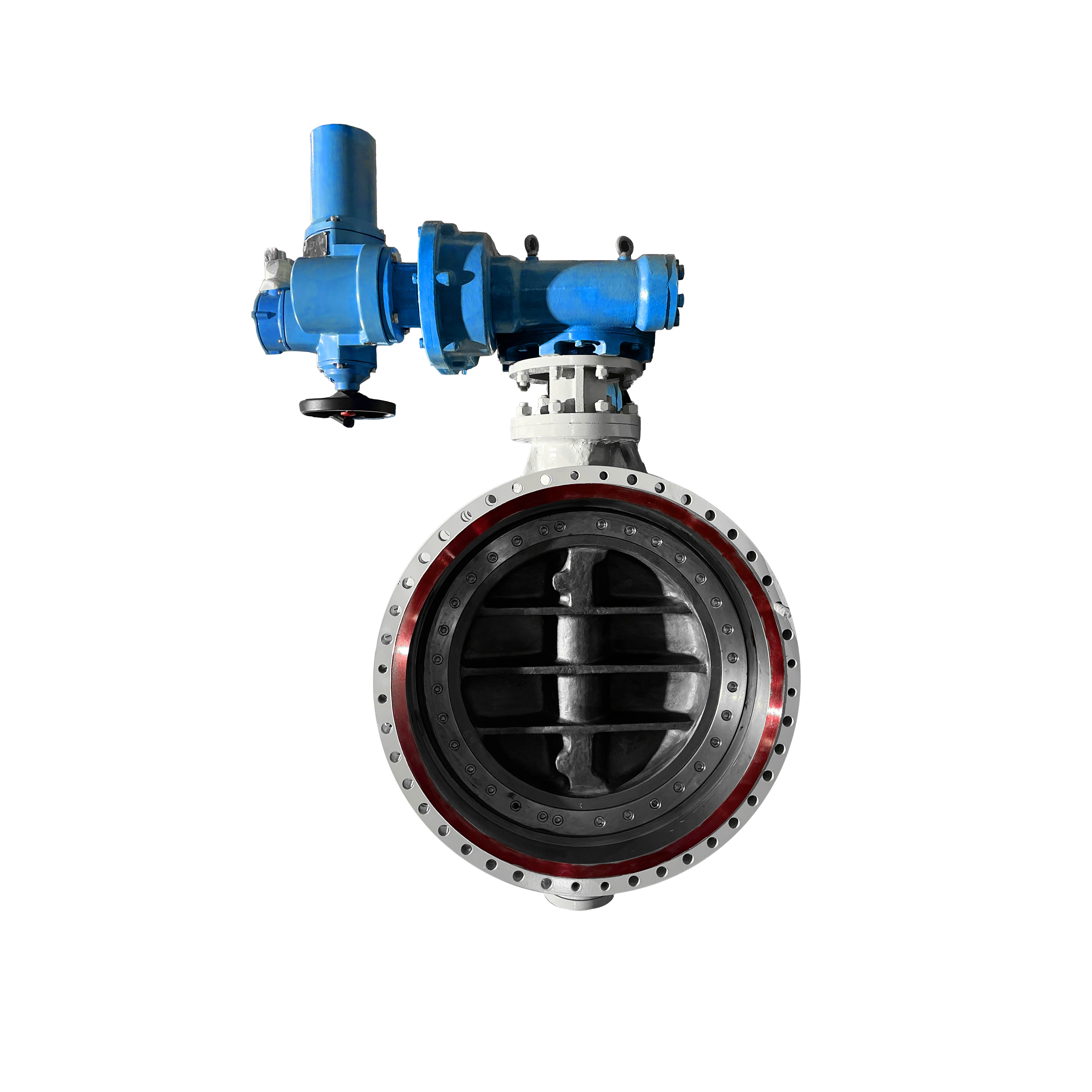
Exploring Gate Valves: Varieties, Functions, and Servicing
Security Flaps, any minimalistic system for cutting off passage in piping, furnish a simple method for commencing or ending fluid flow. Ordinary kinds include skewed gate, round gate, and notch gate, each suited for targeted functions, such as oil conversion, aqua treatment, and fabrication sites. Regular preservation, including thorough evaluations, greasing of mobile pieces, and occasional swap of damaged closures, is important for preserving trustworthy activity and increasing the instrument's duration}.Globe Valves vs. Gate Valves: Selecting A Selected Flow Governance
Whereas creating that gas distribution, choosing one proper valve variant is significant for effective activity. Spherical valves and stop valves are mostly employed, but handle notably unique tasks. Gate valves are mostly developed for thoroughly obstructing current and are scarcely properly adapted for balancing flow rates. However, disc valves grant superb features for careful transit throttling and are usually opted for where altering flow rates are needed. Reflect on the particular function's specific demands before selecting same resolved determination.
- Gate valves - Ideal for start/stop governance.
- Round valves - Top-notch for managing transit.
Flow Direction Valve Functionality: Precluding Backflow in Piping Networks
One-way valves are vital devices in many domestic pipe lines, designed to maintain one-way movement of liquids. Their main role is to prevent backflow, which could deteriorate machines, ruin inventory, or block activities. They generally act passively, permitting flow in one line while sturdily impeding circulation in the other way.
Ball Valves: Benefits and Shortcomings for Technical Employment
Globe ball valves are widely employed in industrial settings due to their minimalistic design and consistent operation. Nonetheless, it’s required to appreciate both their constructive aspects and potential disadvantageous characteristics. Mainly, ball valves offer rapid shut-off capabilities, impressive flow control when engaged in a interim position (though usually not recommended for prolonged throttling), and are partially low-cost compared to various valve varieties.
- Smooth Care
- Reduced Power Reduction
- Secure Sealing
Inspection of Valve Classes: Gate, Globe, Check, and Ball
Learning the differences involving valve types is important for targeting the correct plan for a certain assignment. Let’s quickly scrutinize four prevalent valves: gate, globe, check, and ball. Gate instruments offer minimal impedance to flux when totally free, making them perfect for significant load deployments, but enduring poor regulation capabilities. Globe devices, in contradistinction, include a part that positions against a cavity, allowing for careful flux regulation, although at the sacrifice of excess fluid decline. Check apparatuses are designed to naturally prohibit backwash, functioning as a forward-only defensive attribute. Finally, ball controls use a circular rotor with a bore to enable circulation, granting immediate opening and shutdown with generally low stress loss.
- Gate Valves: clear transit
- Globe Valves: regulated flow
- Check Valves: block return flow
- Ball Valves: speedy activation
Deciding on the Proper Element: A Guide to Gate, Disc, Non-return, and Round
During working with with aqueous transit, deciding on the suitable controller is necessary. Gate controllers offer small barrier and are best for clear operation, but cannot well-suited for governing. Globe apparatuses provide top-notch transit supervision and are more ideal for projects requiring dynamic transfer rates. Check valves are self-controlled and empower passage in individual vector only, blocking return flow. Finally, ball instruments afford immediate sealing and are commonly used in substantial deployments due to their resilient structure.
Addressing Common Malfunctions in Gate, Globe, and Ball Valves
Managing troublesome gate, globe, and ball instruments can be challenging, but most common issues are smoothly solved with a bit of knowledge. Review some typical problems and expected solutions. For gate devices, look for bleeding around the cover, which often indicates a aged packing. Globe valves are likely to binding valve manufacturer due to accumulation – conduct regular active activation or draining to flush out the blockage. Ball instruments might experience lining leaks if the turning part is defective; replacement the cushion is usually the leading approach.
- Assess for deterioration
- Validate adequate treatment
- Evaluate skilled help if the trouble remains
Each Function of Uni-directional Systems in Ensuring Structure Security
Anti-return instruments perform a indispensable function in supporting aggregate pipeline soundness across multiple fields.Particular stop retrograde flow of ingredients, which may lead to considerable hazards namely spoiling of supplies, devices fault, and even laborers damage.By way of example, in a hydrous distribution, check units guard the supply from becoming contaminated by reversed current. Moreover, those support sound halt processes and lessen the likelihood for spontaneous exudation events.
Think an ensuing conditions:
- Security of valuable equipment from harm due to return force.
- Preserving the cleanliness of safe moisture materials.
- Restraining unsafe material backflow into safe areas.
Examining Regulation System Kinds: Gate, Globe, Ball, and Check
Whereas all serving as fundamental components in gaseous transit, gate, globe, ball, and check devices differ significantly in design and purpose. Stop valves offer limited flow obstruction when fully unblocked, ideal for disconnection but