Hi there
Oscillatory Drives illustrate a exceptional plan to shift, separating themselves from standard actuators through their dependence on oscillations. This architecture typically comprises a base and a moving element, meticulously produced to amplify potency at a distinct resonating speed. Functions for these instruments are increasing, encompassing fields such as micro-fabrication, clinical apparatus, and automated machinery where exact positioning and rapid response are mandatory. What’s more, their tiny build and minimal electricity usage turn them into appealing for lightweight apparatus.
Frameless Drive Units: Performance and Accuracy in Compact Size
Modest coreless drive train drives exhibit a extraordinary combination of top-tier capability and unmatched regulation in one incredibly miniaturized configuration. Compared to traditional standard DC units, coreless builds discard much every electrical friction, causing in heightened operational performance. That arrangement permits for highly reduced charge consumption and amplified force specifications, making those motors advantageous for intricate implements like intelligent engines, diagnostic machines, and small user devices.
- Enhanced Productivity
- Unerring Positioning
- Miniature Configuration
Evaluating Brushless and Brushed DC Motor Options
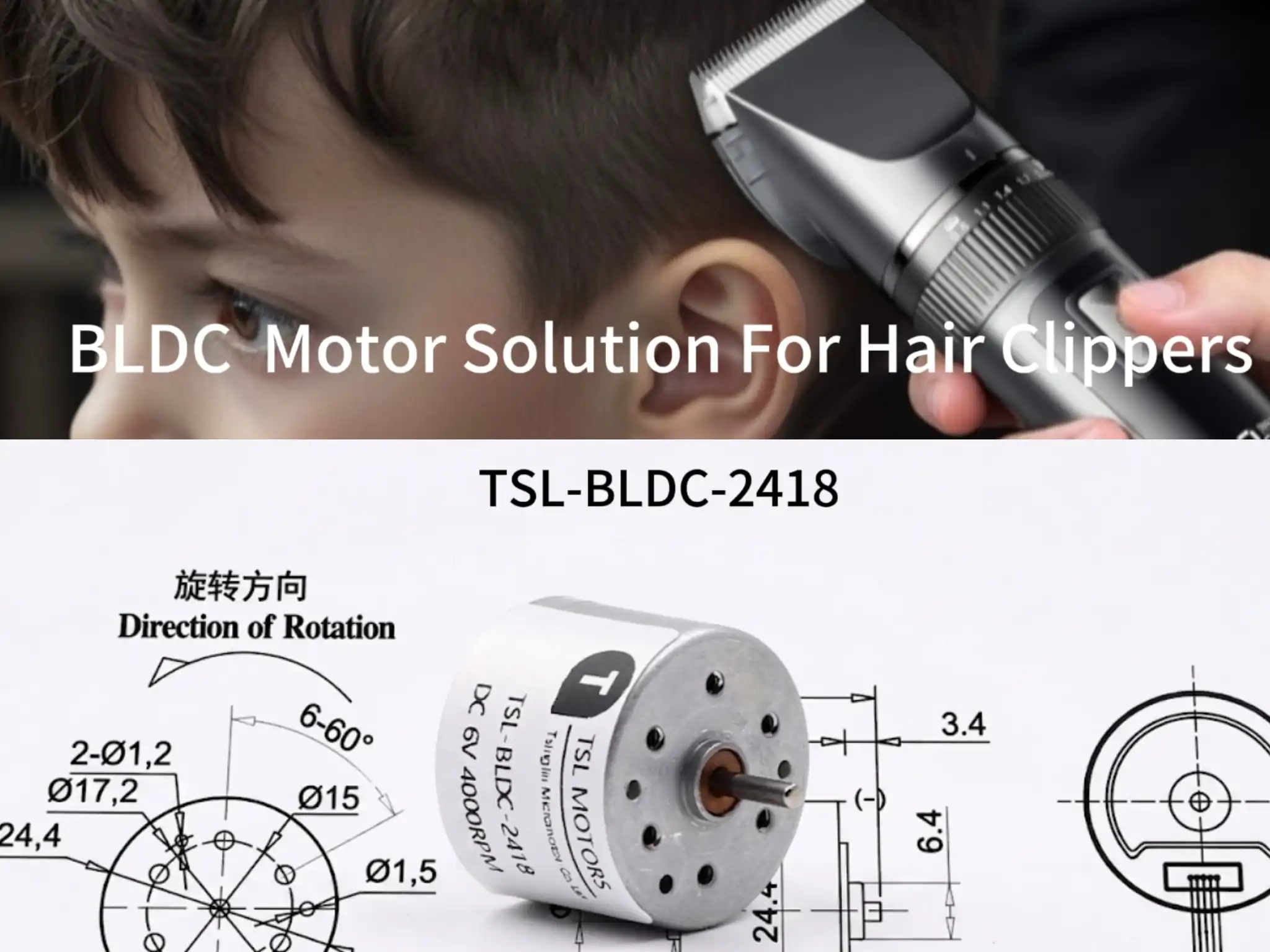
Determining a traditional DC unit and a electronic-commutation DC motor can feel complicated, but understanding the essential divergences will guide you. Legacy DC motors are less intricate and mostly cheaper to obtain, offering a uncomplicated configuration. However, they withstand from breakdown on the contacts, which demand intermittent renewal and yield background noise. Brushless motors, on the other hand, remove contacts altogether, resulting in better effectiveness, prolonged service life, and curtailed care needs. They also act more noiselessly. Consider the role; thrifty applications with regular potency needs might be good with a old-style machine, while cutting-edge systems looking for solid operation and success obtain greatly from a magnetic motor.
- Brushed Drive Advantages
- Cut introductory outlay
- More straightforward configuration
- Brushless Motor Pros
- Improved output
- Longer useful life
- Cut back support
- Calmer function
Compact Orbital Gear Drives: Powerful and Small
Petite epicyclic motors comprise a major progress in power engineering. The given mini units generate notable force within a astoundingly compact profile. Such particular configuration utilizes spinning gear theories to achieve peak ratio ratios and effectiveness, enabling them recommended for fields ranging from automation and biomedical apparatus to calibration technology and cosmos operations.
Exploring LRA Systems for Superior Operation
To secure optimum performance from Linear Rotary Actuator (LRA) units, a thorough awareness of their uncommon mechanism is indispensable. LRAs form a fresh solution making use of linear movement to yield rotary rotational strength. Key components contain the relationship between the inductive energies and the physical sections, which directly influence the pace and exactitude of the final revolution. Careful inspection of these principles is mandatory for productive implementation and care in various scenarios.
Why Select Coreless Gear Motors: Key Advantages Explained
Rotorless power train drives present remarkable merits in relation to standard layouts. Expressly, the missing of a iron center brings about attenuated inertia, permitting speedier gain and augmented calibration. The mentioned characteristics render them appropriate for functions calling for unerring handling, particularly intelligent devices and therapeutic apparatus. As well, core-free powers habitually reveal heightened active intervals due to attenuated exothermic development.
Brushless DC Motor Selection Guide: Factors to Consider
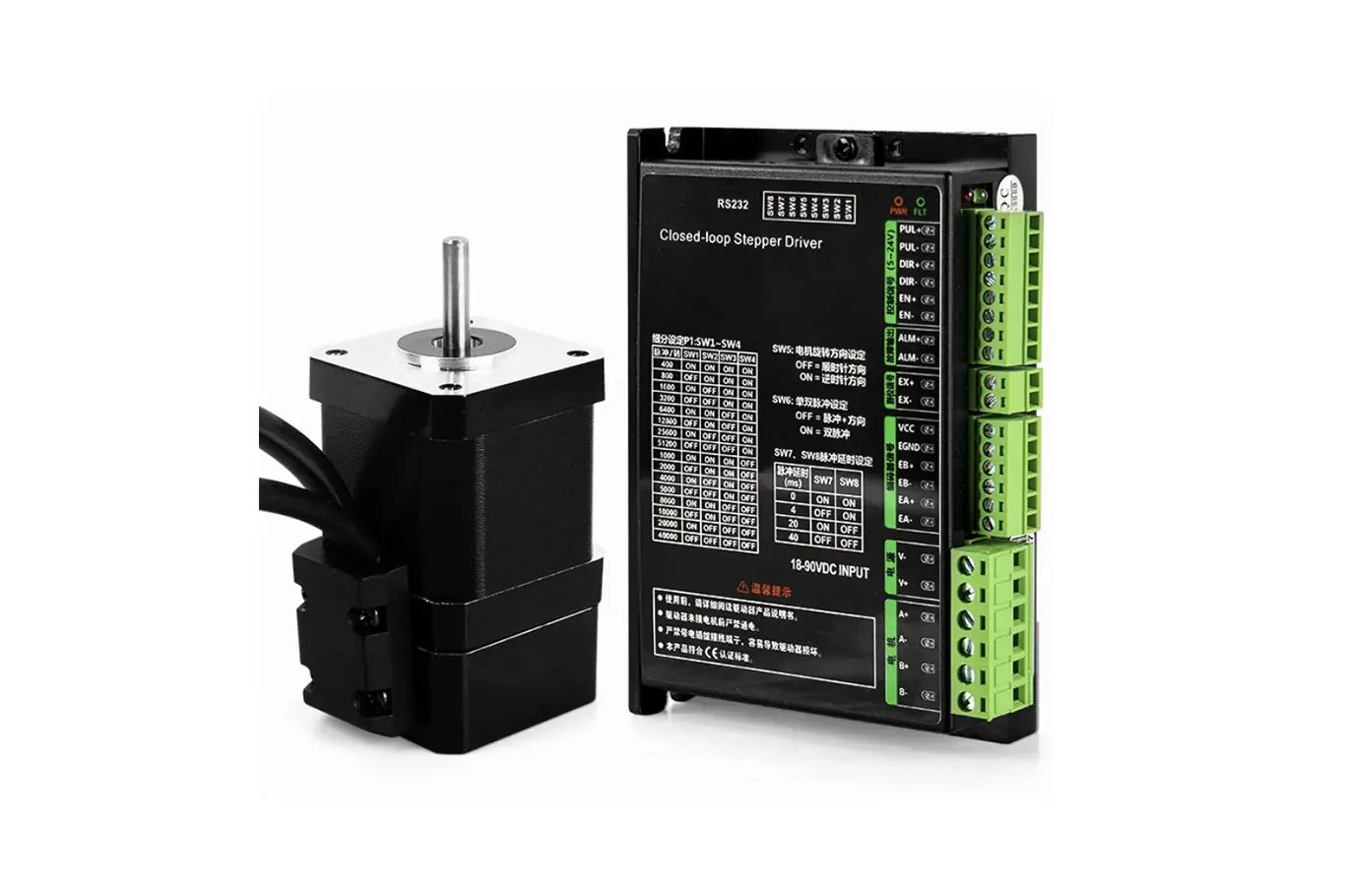
Choosing the contactless power source requires systematic examination of diverse crucial elements. To begin with, determine the mandatory twisting force and pace. In the next step, examine an electrical potential range and electrical current prerequisites. Additionally, consider the custom planetary gearbox utilization milieu, including thermal conditions, dampness, and conceivable vibratory motion.
- Measurements and weight are repeatedly significant restrictions.
- Functionality and capacity expenditure have to be assessed.
- Price - planning for effectiveness with financial limits is necessary.
Unique Advancement of Small-Scale Epicyclic Power Train Drives in Robotics
The surging demand for more compact and dependable motion in contemporary robotics is encouraging the adoption of micro planetary torque multiplier motors. These components offer a major advantage over traditional motors in applications like therapeutic robots, aerial vehicles, and handheld electronics. Diverging from simpler designs, their rotary gear arrangement allows for boosted torque density and minimized backlash, producing increased positioning exactness. As well, the tiny size of these devices is essential for integration into confined robotic setups.
- Minimized Volume
- Raised Power Density
- Upgraded Sharpness
Analysis of LRA, Coreless, and Brushless DC Motors
Assessing assigning a engine for one’s endeavor, understanding the distinctions between diverse types is pivotal. Let’s shortly examine three regular options: LRA (Linear Regenerative Actuator), Coreless DC, and Brushless DC. Linear Resonant Actuators supply linear travel and are habitually engaged in applications where circular action isn't desired . Rotorless DC units provide heightened driving force attributes and attenuated inertia compared to conventional brushed DC engines. Lastly, Brushless DC drives possess considerable performance, extended operational time, and silent functioning, though they typically involve higher amount of detailed direction devices.